Credit Card Tokenization Enhances Security for Subscription Renewals Through Mobile Payment APIs
Erik Wolf · Oct 12, 2026
Credit Card Tokenization Enhances Security for Subscription Renewals Through Mobile Payment APIs
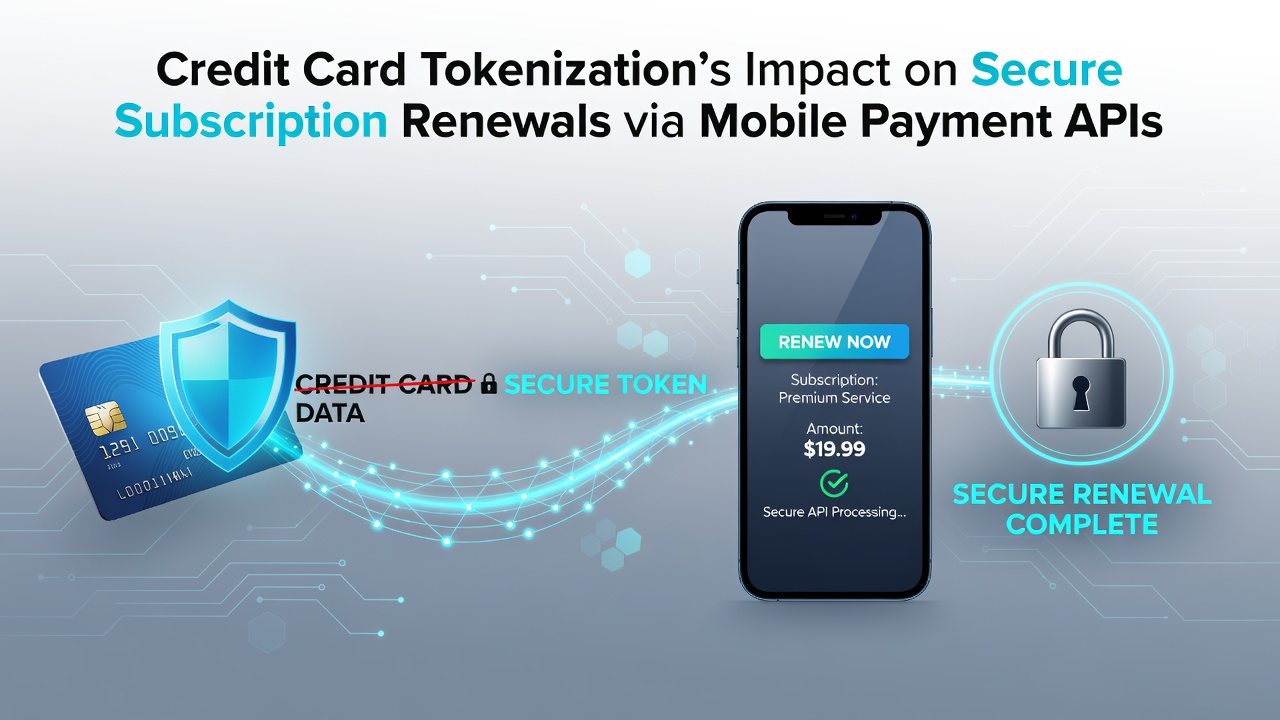
Tokenization replaces sensitive credit card details with unique tokens that hold no value if intercepted, and this approach has reshaped how subscription services handle recurring charges through mobile payment APIs. Mobile APIs connect merchants directly to payment processors while tokenization ensures card data never enters the merchant environment during renewals. Data from payment security reports shows tokenization adoption grew steadily between 2023 and 2026, driven by the need to protect recurring billing cycles against data breaches.
Core Mechanics of Tokenization in Mobile Subscription Systems
Payment processors generate tokens during the initial transaction, after which the actual card number stays stored only with the token service provider. Mobile apps trigger API calls that reference these tokens for each renewal, allowing seamless charges without repeated entry of card details. Observers note that this separation reduces exposure points, since tokens function only within the specific merchant and channel where they were created. In October 2026 industry figures revealed that over 70 percent of subscription platforms using mobile APIs had integrated tokenization to meet compliance standards set by global card networks.
Security Benefits for Recurring Mobile Transactions
Tokenization limits the impact of any potential breach because stolen tokens cannot be used elsewhere or reversed into usable card numbers. Mobile payment APIs incorporate device binding and cryptographic checks that further validate each renewal request, creating layered defenses against unauthorized activity. Research from the PCI Security Standards Council indicates tokenization combined with API-level encryption cuts fraud rates in subscription models by up to 60 percent compared with stored card methods. Merchants report fewer chargebacks once tokens replace raw card data in their databases, which streamlines renewal operations across regions.
Integration Patterns Across Global Markets
European regulators through the European Payments Council have encouraged tokenization within mobile API frameworks to align with strong customer authentication rules. Australian payment networks similarly promote token services that support recurring billing without retaining primary account numbers. These regional approaches demonstrate how tokenization adapts to local regulations while maintaining consistent security for cross-border subscription renewals. Developers configure mobile APIs to request new tokens when cards expire or when users switch devices, ensuring continuity without manual intervention.
Operational Advantages for Merchants and Users
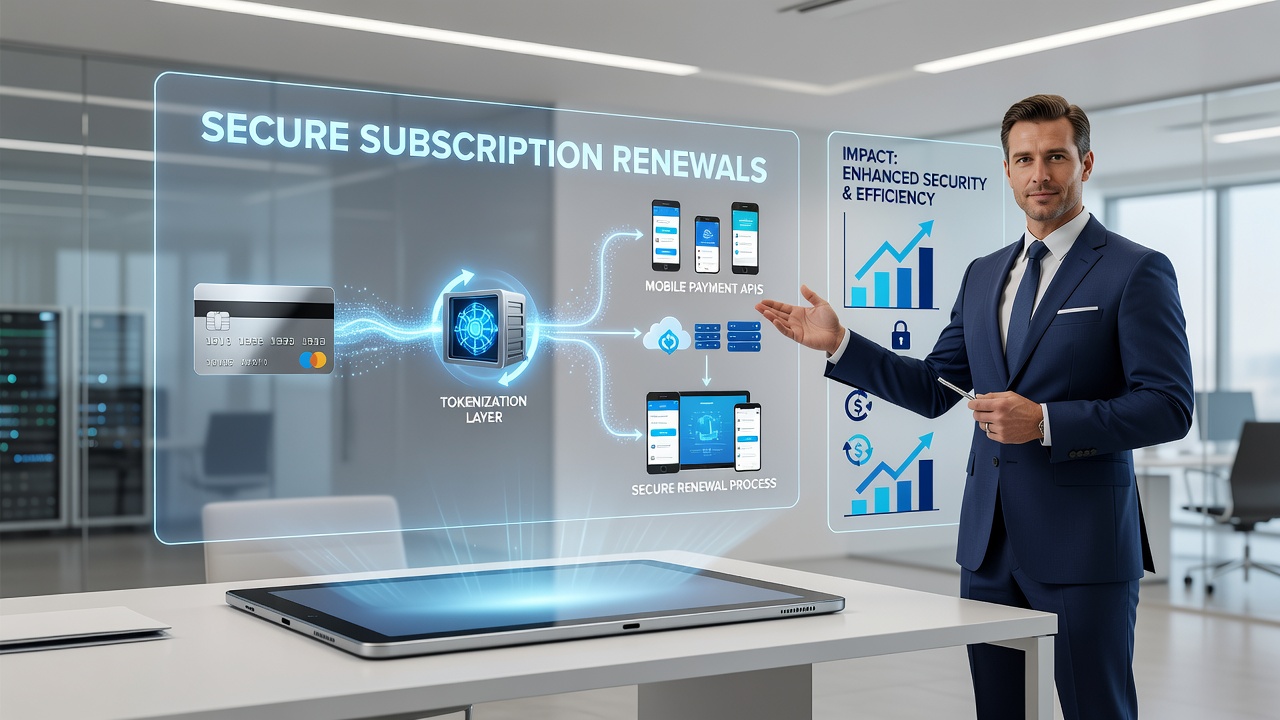
Merchants avoid storing sensitive card information, which lowers PCI DSS scope and associated audit costs while token services manage vault security. Users experience uninterrupted renewals because the mobile API handles token exchanges in the background, reducing failed payments caused by expired cards or manual updates. Payment data compiled through 2026 shows subscription services that adopted tokenization saw renewal success rates climb above 95 percent in markets where mobile adoption exceeded 80 percent of transactions. This pattern holds across industries from streaming platforms to software services that rely on recurring mobile billing.
Challenges and Mitigation Strategies
Initial setup requires coordination between merchants, mobile app developers, and token providers to map token lifecycles correctly. Some legacy systems still need updates to handle token references instead of card numbers during API calls. Yet solutions such as standardized token requestor IDs and real-time validation APIs have addressed these hurdles, allowing broader adoption. Figures from academic studies on payment security confirm that organizations completing token integration within six months report sustained reductions in fraud incidents over subsequent renewal cycles.
Future Trajectory Through Late 2026
Continued expansion of mobile payment APIs paired with tokenization points toward wider use of dynamic tokens that change with each renewal attempt. This evolution further isolates subscription data from potential interception during transmission. Payment processors continue refining API endpoints to support instant token provisioning across devices, supporting the growing volume of recurring mobile transactions projected through the end of 2026. Observers tracking these developments note steady improvements in both security metrics and operational efficiency for merchants managing large subscriber bases.
Conclusion
Credit card tokenization integrated with mobile payment APIs delivers measurable protection for subscription renewals by removing raw card data from merchant systems while preserving seamless user experiences. Regional regulatory frameworks and industry standards continue to support this model, producing consistent outcomes across global markets. As token services evolve alongside API capabilities, subscription platforms gain reliable tools to maintain secure recurring billing through the close of 2026 and beyond.