Tokenized Credit Cards Transforming Merchant Security for Recurring Mobile Payments Globally
Katja Berger · Sep 28, 2026
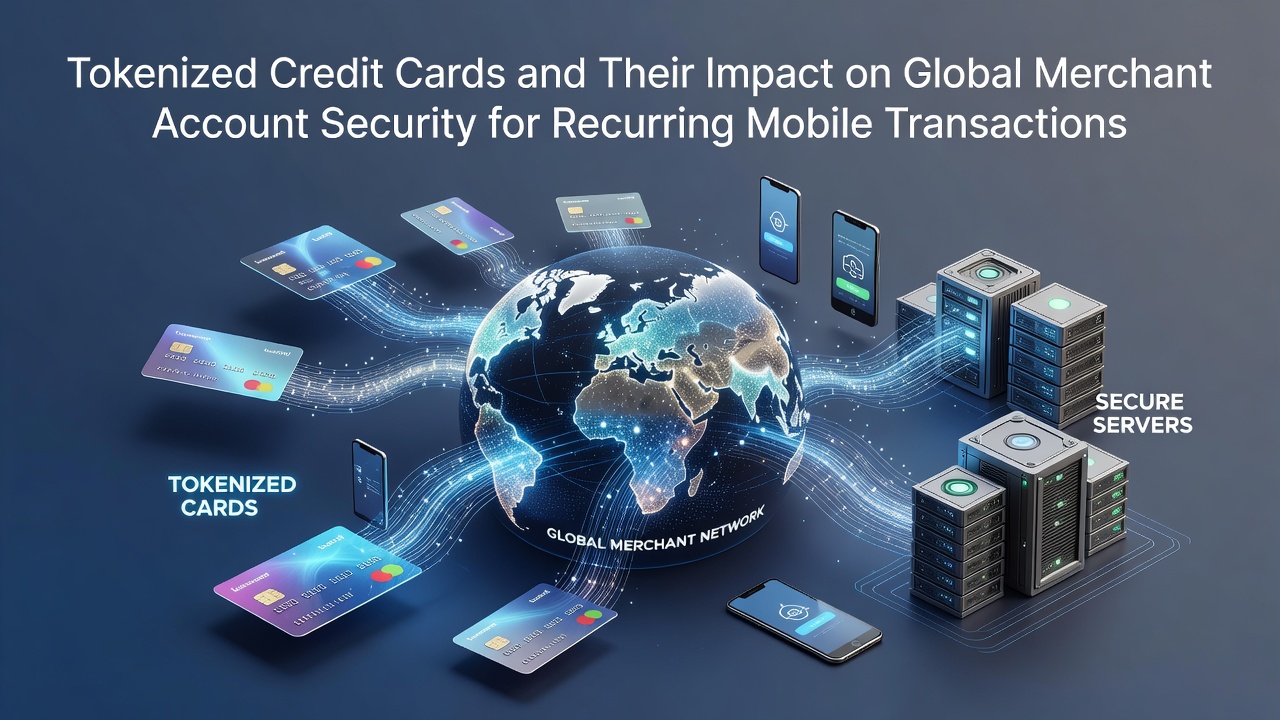
Tokenized Credit Cards Transforming Merchant Security for Recurring Mobile Payments Globally
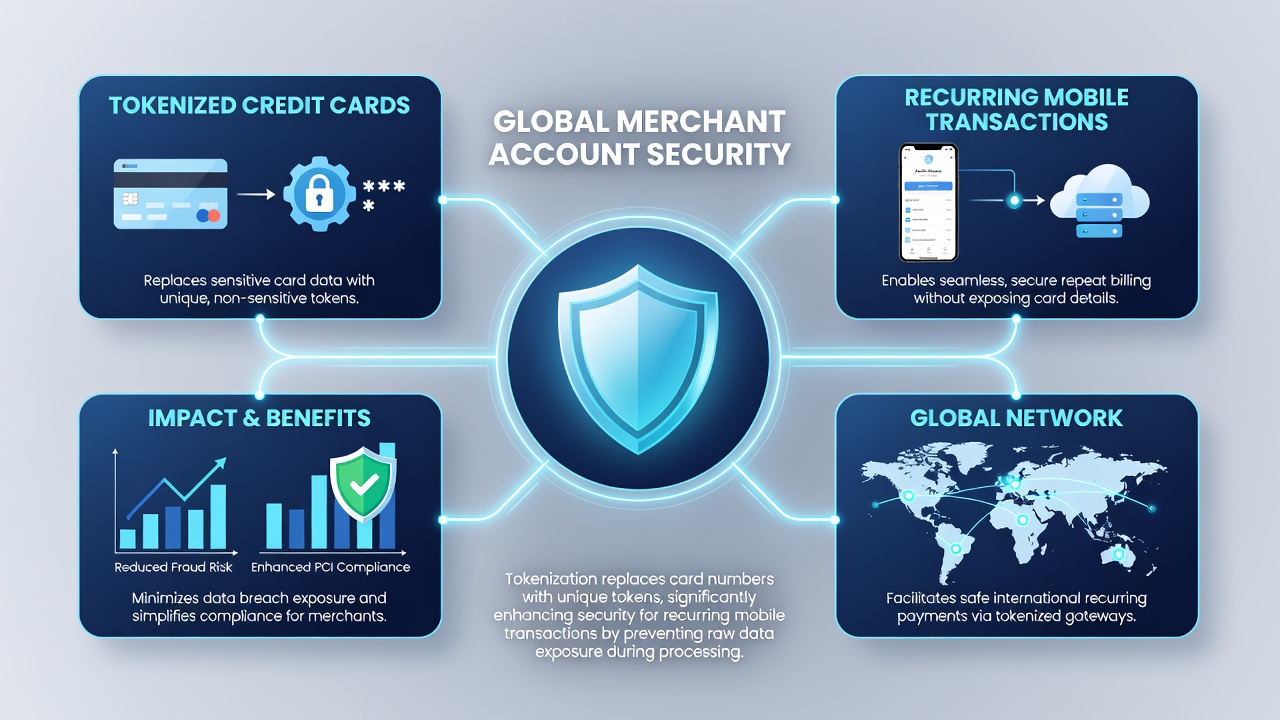
Tokenized credit cards replace sensitive cardholder data with unique digital identifiers that hold no value if intercepted, and this approach has reshaped how merchants handle recurring mobile transactions worldwide since the early 2020s. Researchers from payment security organizations note that tokens limit exposure because actual account numbers never reach merchant servers or mobile apps during subscription renewals or automated billing cycles. Data from the PCI Security Standards Council shows widespread adoption has reduced certain types of card-not-present fraud in mobile environments by significant margins in multiple regions.
Mechanics of Tokenization in Recurring Mobile Scenarios
Payment networks generate tokens through secure vaults that map back to original card details only when authorized processors request them, while merchants receive and store these tokens instead of full PANs or expiration dates. For recurring mobile transactions, the system works because tokens can be provisioned specifically for a merchant and device combination, which means a stolen token from one app cannot be reused elsewhere without triggering alerts. Observers note that this binding adds layers of control, and as of September 2026 industry figures reveal token usage in mobile subscriptions exceeds 70 percent in major markets according to network reports.
Merchants integrate tokenization through APIs provided by acquirers or gateways, and the process begins when a customer adds a card in a mobile app where the issuer or network creates the token in real time. Subsequent charges then reference the token, which expires or deactivates if fraud is detected or if the underlying card changes, and this automation cuts manual intervention for subscription management teams. Experts have observed that such dynamic updates prevent declines that once plagued recurring billing when cards were replaced due to expiration or loss.
Security Effects on Global Merchant Accounts
Merchant accounts benefit because tokenization shifts much of the PCI DSS compliance burden away from storing card data, and scope reduction often lowers audit costs while decreasing the attack surface for data breaches. Studies from research institutions indicate that merchants using tokens for mobile recurring payments experience fewer account compromises compared to those relying on traditional storage methods, and this pattern holds across North America, Europe, and Asia-Pacific regions. Government agencies in Canada and Australia have published guidelines that encourage token adoption as part of broader fraud prevention strategies for digital commerce.
Yet cross-border transactions introduce variables because token formats and provisioning rules can differ by network and jurisdiction, although major schemes have aligned standards to ease interoperability. Data indicates that merchants operating internationally see improved authorization rates when tokens replace raw card details, since issuers trust the tokenized channel more readily and apply fewer velocity checks or blocks. Those who have analyzed transaction logs find that recurring mobile payments using tokens show lower dispute ratios, particularly for subscription services in entertainment and software sectors.
Regional Adoption Patterns and Data Trends
European merchants have integrated tokenization rapidly following regulatory pushes around data protection, and reports from EU financial authorities highlight measurable drops in unauthorized recurring charges after widespread rollout. In contrast, markets in Southeast Asia have adopted the technology more gradually due to varying infrastructure maturity, although mobile penetration there drives demand for secure subscription models. Academic papers from universities in the region document how tokenization pairs with device fingerprinting to create multi-factor validation that strengthens merchant account defenses without adding friction for end users.
Payment networks publish quarterly statistics that track token volumes, and recent figures reveal continued growth in mobile recurring use cases through the first half of 2026. Merchants report that chargeback management improves because tokens allow issuers to trace transactions back to specific provisioning events, which helps resolve disputes faster and protects account standing with acquirers. What's notable is that smaller merchants gain access to these tools through gateway partners rather than building direct connections, which levels the security playing field across business sizes.
Future Outlook for Token Standards
Standards bodies continue refining token specifications to support new mobile payment flows, including those involving wearables and embedded finance, while maintaining backward compatibility for existing merchant setups. Industry organizations track how token lifecycle management evolves, from issuance through expiration or revocation, and they publish best practices that help merchants optimize security without disrupting customer retention in subscription businesses. Observers note that collaboration between networks and regulators across jurisdictions supports smoother global operations, reducing the patchwork of rules that once complicated cross-border recurring billing.
Conclusion
Tokenized credit cards have delivered measurable security gains for merchant accounts handling recurring mobile transactions by limiting data exposure and enabling precise control mechanisms that traditional card storage could not match. Global data trends through September 2026 confirm rising adoption rates alongside corresponding reductions in fraud exposure and compliance overhead, while regional differences highlight the need for flexible implementation approaches. Merchants who integrate these systems position their accounts for sustained protection as mobile subscription volumes continue expanding across diverse markets.